
Why Does Septa Durometer Matter in HPLC?
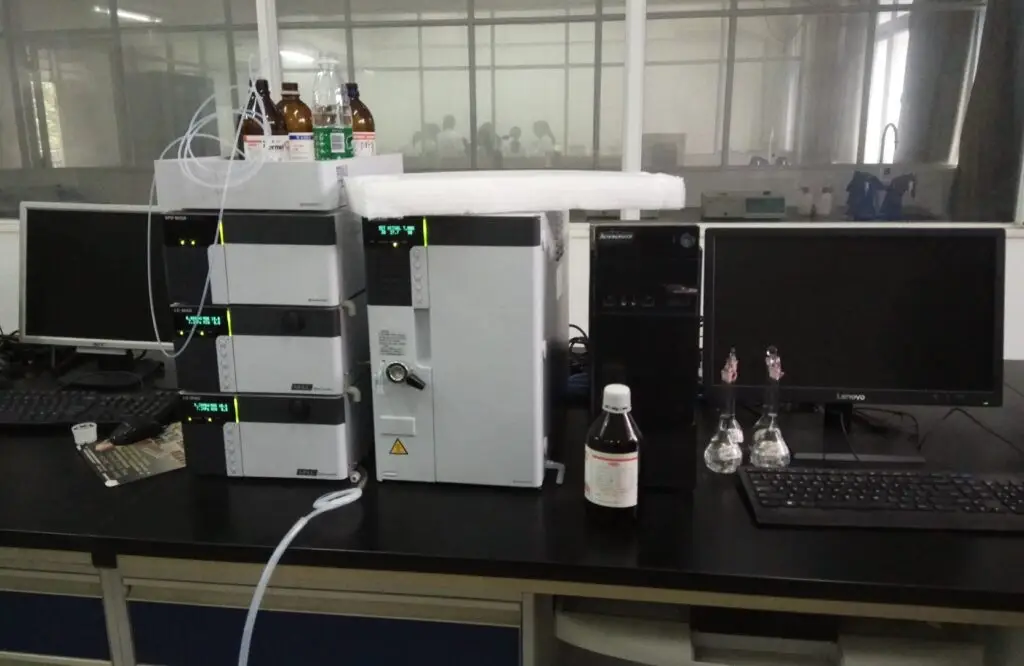
Septa durometer, a measure of the septum material’s hardness, is usually measured on the Shore A scale. In High-Performance Liquid Chromatography (HPLC), it directly affects system performance and sample integrity. There are four reasons why. Need penetrations and resealing Leak prevention Chemical compatibility Autosampler reliability The following sections explain. 1. Needle Penetrations and Resealing A softer silicone septum (i.e., lower durometer septum) is easier for the autosampler needle to penetrate. This reduces stress on the needle and ensures less damage over time. However, a septum that is too soft may not seal properly and lead to leaks or evaporation. A septum that is too hard may require more force and risk needle wear or misalignment. There’s a greater likelihood of coring when the septum is too soft or the needle is thick. That’s because softer materials tend to tear instead of forming a clean puncture. A harder durometer septum reseals more reliably but can wear down the needle tip faster or cause mis-injections. 2. Leak Prevention Proper hardness ensures the septum reseals tightly after puncture. If the septum is too soft, there’s a risk of leaks, evaporation, and sample concentration changes. If the septum is too hard, there’s a risk of incomplete resealing or channeling around the needle puncture. 3. Chemical Compatibility Durometer influences how well the septum holds up against solvents used in HPLC (e.g., acetonitrile, methanol, water, buffers). Lower durometer septa may swell or degrade with aggressive solvents. There’s also a risk of bleeding or leachables. Medium hardness with lamination (PTFE layers) tends to preserve septa integrity against solvent attack. Harder, well‐laminated materials perform best in volatile or aggressive solvent environments. A balanced septa durometer reduces coring (i.e., tiny fragments of septum material breaking off into the vial, which can clog the column or detector). 4. Autosampler Reliability Modern HPLC systems use robotic autosamplers with precise needle movements. If the durometer is not optimal, the results may include misalignment, bent needles, or poor injection reproducibility. Septa Durometer and HPLC Instrument Manufacturer Recommendations HPLC instrument manufacturers recommend specific durometer septa because the performance of the autosampler and injection system depends on precise mechanical and chemical interactions. The durometer determines how the septum behaves when pierced by the autosampler needle and exposed to solvents, and the instrument design dictates which hardness will give the best results. In other words, Instrument manufacturers specify durometer in product specs because it: Helps labs match septa hardness to their autosampler needles (i.e., blunt vs sharp, small vs large bore). Guides selection for high-throughput lab. (If there are many punctures, then a medium/hard septa durometer is recommended.) Ensures compatibility with solvents and temperature conditions in your specific HPLC method. Septa Durometer Matters to HPLC Not all septa are created equal, and their durometer (hardness) must be carefully selected to achieve the right balance between needle penetration, resealing ability, chemical resistance, and long-term injection reliability in HPLC. This property directly influences how easily a needle passes through, how well the septum reseals, its resistance to coring, and its durability against solvents. Selecting an appropriate durometer helps ensure consistent chromatographic results, protects the instrument, and extends needle life. Because autosampler and injection system designs differ in needle geometry, force, and alignment, it’s also critical to follow the instrument manufacturer’s recommendations when selecting septa. This ensures optimal compatibility and maximizes performance in routine HPLC operation. For standard and custom septa, contact us.